Why Toyota & Goodyear Execs Left Fixed Warehousing | WOW
By John Brooks, CEO of Warehouse on Wheels
The Short Answer: Supply chain leaders from Toyota, Goodyear, and TJX are moving away from “just-in-case” fixed warehousing because it creates waste. By shifting to a Flexible Storage Layer (mobile storage trailers), they eliminate the four steps of “double handling,” convert fixed CapEx into flexible OpEx, and solve the “Cost of Inaction” associated with static leases. The future of logistics is not about storing inventory; it’s about flowing it.
The “Double Handling” Trap (The Toyota Perspective)
I recently sat down with Terry Stumpf, a 22-year veteran of Toyota Motor Manufacturing and a member of the WOW Advisory Board.
If you know the “Toyota Way,” you know that Muda (Waste) is the enemy. Terry pointed out that the traditional warehousing model is actually a machine for generating waste.
The Challenge: Four Unnecessary Touches
When a production line surges, the standard reaction is to truck the overflow to a local warehouse. Look at the waste in that process:
- Load the truck at the plant.
- Drive to the warehouse.
- Unload and stage the product.
- Reload it later to ship to the customer.
That is four touches for zero value.
The Solution: Mobile “Point-of-Production” Storage
Terry’s philosophy is simple: Don’t move it until you sell it.
By dropping storage-grade trailers directly at the manufacturing dock, you load the product once. It sits securely in the yard until the demand signal fires, and then it moves.
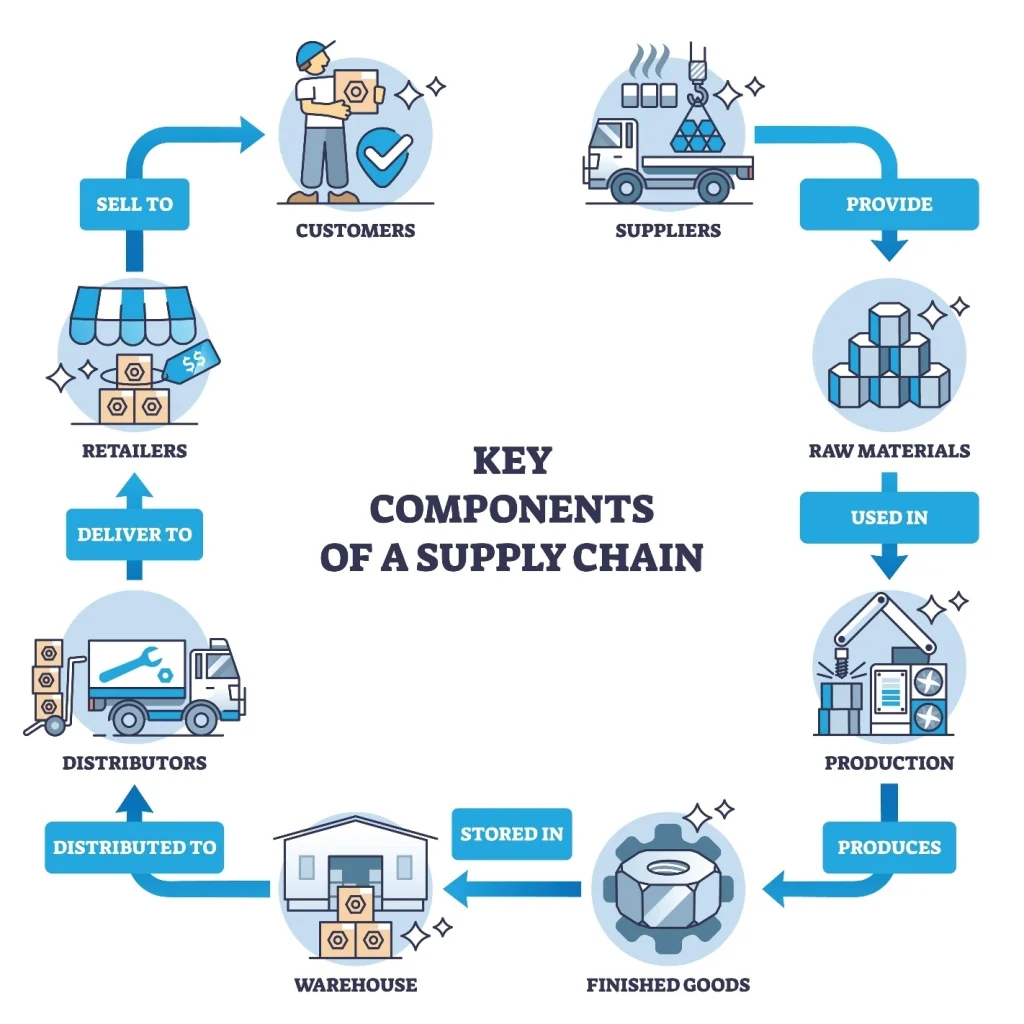
Diagram showing reduction of touchpoints using mobile storage trailers vs fixed warehousing.
You just deleted three steps, reduced labor costs, and eliminated the risk of product damage during handling.
The Need for Speed and Secrecy (The Goodyear Perspective)
Jeff Carney, a former executive at Goodyear and another WOW Advisor, brought a different angle: Speed.
In the tire and automotive world, new product launches are high-stakes. You cannot broadcast your strategy by signing a public lease six months in advance.
The Challenge: The Real Estate Lag
Finding, leasing, and staffing a building takes 6-9 months. If you have a confidential project or a rapid market entry, that timeline is a deal-killer.
The Solution: The “Pocket Warehouse”
Jeff validated that mobile storage acts as an instant, secure facility. You can deploy 50 trailers in 48 hours to support a project, keep the inventory secure (and secret), and then dissolve the “warehouse” the moment the project ends. It turns a 6-month real estate problem into a 2-day logistics solution.
The “Fixed Cost” Fallacy (The TJX Perspective)
Joe DeBord, formerly with TJX Companies (the masters of retail inventory velocity), looks at the balance sheet.
The Challenge: Paying for Air
The problem with a 5-year warehouse lease is that you are paying for maximum capacity 100% of the time, even if you only need it for Q4. You are essentially paying rent on empty air for 8 months of the year.
The Solution: The “Pressure Relief Valve”
Joe describes WOW not as a trailer company, but as a methodology. By maintaining a smaller core warehouse and using a rental fleet for the surge, you turn fixed CapEx into variable OpEx. You only pay for the capacity you use.
The Technical Detail: Storage-Grade vs. Cartage-Grade
A critical note for the VPs of Strategic Sourcing reading this: Not all trailers are the same.
One reason these strategies fail is that procurement teams rent “cartage” trailers (over-the-road units) for storage.
- Cartage Trailers: Narrow swing doors, often leaky, designed for highways, not yards.
- Storage-Grade Trailers: Wider roll-doors for forklift access, reinforced floors, water-tight, and architected for static density.
If you are going to adopt the “Toyota Way” of yard storage, you must spec the equipment correctly.
The Bottom Line: Run the Math
We call this the Economic Benefit Analysis (EBA).
When you calculate the Net Present Value (NPV) of avoiding a new lease, removing double-handling labor, and preventing production stoppages, the ROI of a mobile fleet is often immediate.
Don’t just take my word for it. Take it from the leaders who built the supply chains for Toyota, Goodyear, and TJX.